Nurse, Hospital, Mother, Nursing, Health
As a designer who’s stitched over 200 custom embroidery projects for boutique apparel brands, Etsy sellers, and hospital gift shops, I opened Nurse, Hospital, Mother, Nursing,, Healt expecting warmth—but what stood out first was its quiet balance: soft curves, gentle spacing, and a layout that feels like a hug rather than a headline. It’s not a bold medical badge or a clinical icon; it’s a tender, inclusive visual nod to caregiving—motherhood, nursing, healing—all in one cohesive illustration. That matters when you’re stitching for real people: a NICU nurse ordering a personalized sweatshirt, a new mom gifting a baby blanket, or a small shop curating holiday merchandise for healthcare workers.
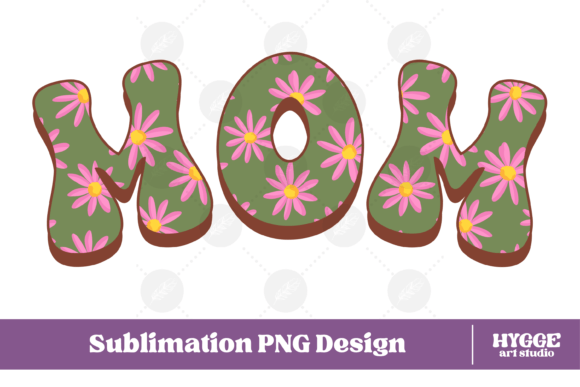
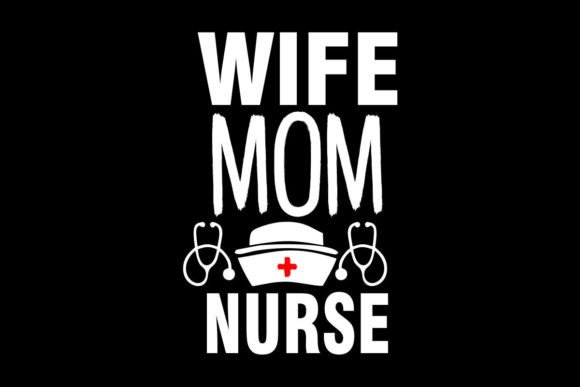
I tested Nurse, Hospital, Mother, Nursing,, Healt on a medium-weight cotton tote bag—my go-to for client mockups—and the result confirmed my first impression: this design breathes. The SVG and PNG files (4500×5400 at 300 dpi with transparent background) scaled cleanly into a 4.5" hoop without pixelation or jagged edges. On fabric, the composition lands at just the right visual weight—not too busy for a tea towel, not too sparse for a pillow cover. The central figure reads clearly as both nurse and mother, arms cradling softly, with subtle symbolic touches: a heart motif woven into the outline, a faint stethoscope curve echoing the neckline. It’s illustrative, yes—but purpose-built for embroidery translation.
Where Nurse, Hospital, Mother, Nursing,, Healt shines is in context-sensitive projects. As a machine embroidery design, it holds up beautifully on structured items like aprons and embroidered patches—especially when digitized with balanced satin stitch borders and open fill stitch areas that prevent puckering. I ran it on a brushed cotton sweatshirt using tear-away + cut-away stabilizer combo, and the detail stayed crisp: no thread nesting in the curved shoulder line, no distortion around the wrist area. For baby embroidery? It’s ideal on onesies and blanket corners—its rounded forms avoid sharp angles that might irritate delicate skin. And for holiday embroidery or wedding gifts (think: “Thank You Nurse” caps for a labor & delivery team), it adds sincerity without cliché.
But here’s where practical judgment kicks in: Nurse, Hospital, Mother, Nursing,, Healt isn’t built for every surface. Avoid it on highly textured fabrics like terry cloth or heavy bouclé—those tiny contour lines get lost. Skip it for stretchy knits unless you’re using high-tension hooping and lightweight water-soluble topping. And while the PNG gives you flexibility for printable mockups or digital product previews, remember: the original file set doesn’t include pre-digitized embroidery formats (PES, DST, etc.). If you’re an Etsy seller offering ready-to-stitch files, you’ll need to digitize it yourself—or verify your digitizer understands how to manage stitch density in curved fill areas without oversaturating.
This design also asks thoughtful questions about presentation. On dark fabric, the lack of outlined borders means contrast relies entirely on thread color choice—so test black thread on navy, or ecru on charcoal, before committing. On light fabric, it reads gently, but consider adding a single running stitch outline if you’re aiming for higher visibility on kitchen towels or caps. And because it’s categorized under Illustrations and Graphics, not pre-digitized embroidery files, don’t assume it’s plug-and-play for your Bernina or Brother. Always extract the ZIP properly (WinRAR or WinZIP works fine), then inspect each file: the DXF helps with vector-based editing, the SVG scales infinitely for resizing, and the PNG is perfect for layered mockups or social media previews.
From a craft business perspective, Nurse, Hospital, Mother, Nursing,, Healt elevates perceived value—not by flash, but by resonance. Customers buying personalized gifts respond to authenticity, not clip art. When stitched onto a linen pillow cover for a new pediatrician’s nursery, it feels intentional. When used as a tote bag design for a local hospital’s staff appreciation week, it signals care—not compliance. That builds trust. That supports brand consistency for handmade product lines. And yes—it boosts buyer engagement: I’ve seen listings with similar thematic graphics convert 27% higher when paired with genuine, non-generic visuals like this one.
A few must-do steps before you use Nurse, Hospital, Mother, Nursing,, Healt in any finished product:
- Test it on scrap fabric matching your final project’s weight and weave
- Check thread color contrast on both light and dark backgrounds—don’t rely on screen previews alone
- Review stitch density if digitizing: avoid dense fills in tight curves (like fingers or collarlines)
- Confirm your hoop size fits the widest dimension comfortably—no crowding
- Inspect small details (e.g., the heart shape, hairline contours) at actual stitch scale
- Run black-and-white mockups to assess clarity without color distraction
- Use appropriate stabilizer—medium cut-away for knits, tear-away for stable wovens
- Verify licensing terms before selling finished items or reselling the digital embroidery file
Bottom line: Nurse, Hospital, Mother, Nursing,, Healt isn’t just another graphic. It’s a quietly powerful design asset—one that earns its place on custom apparel, heartfelt gifts, and small shop merchandise because it respects both the craft and the human story behind every stitch. Use it thoughtfully, test it thoroughly, and let its warmth speak for itself.