MOM and SON T-Shirt Design
A Warm, Clean First Impression — But Does It Stitch Well?
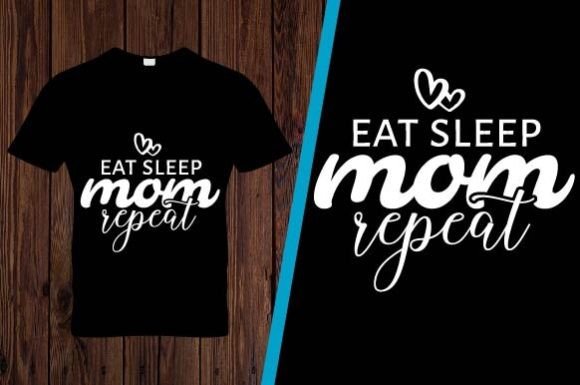
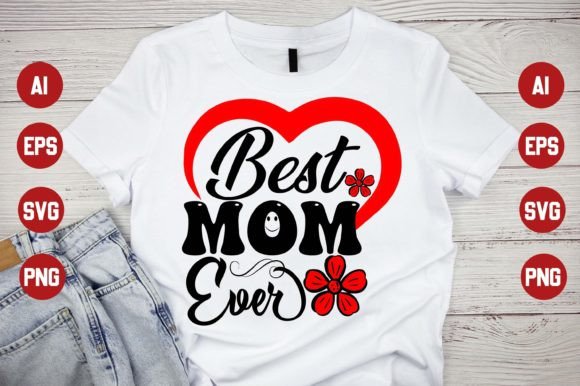
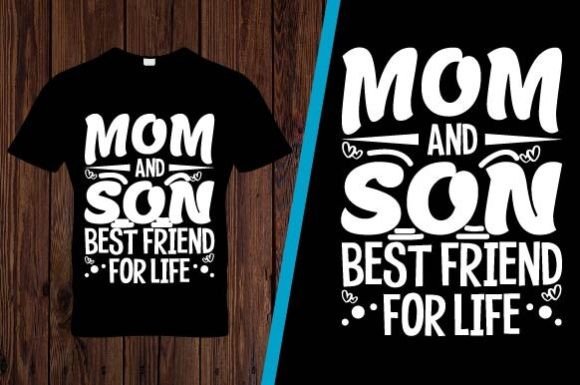
When I opened the MOM and SON T-Shirt Design files for the first time, I felt that familiar quiet satisfaction: clean vector layers, crisp edges, and a balanced composition that reads instantly — even at thumbnail size. The layout leans gently into heart-shaped framing without being cutesy; the letterforms are friendly but legible, with subtle weight variation that suggests satin stitch potential rather than thin, fragile running stitch lines. It’s not overly ornate, which is exactly what I want for a machine embroidery design meant to live on baby onesies, dad’s sweatshirts, or boutique tote bags. This isn’t a design shouting for attention — it’s one leaning in, quietly confident.
Real-Life Test: Embroidering a Linen Kitchen Towel for a New Mom
Last week, I used MOM and SON T-Shirt Design to embroider a custom linen tea towel for a friend’s baby shower. Linen’s loose weave and low stretch demand careful stabilizer choice and moderate stitch density — and this design held up beautifully. I ran it as a fill-stitch heart with soft satin-stitched text inside, sized to 3.2" wide. No puckering. No thread breaks. The “MOM” and “SON” lettering stayed distinct, even at that scale, thanks to generous spacing and well-organized layers. Customers notice that clarity — especially when they’re holding a handmade product meant to last years, not just look nice in a photo.
Where It Shines (and Where You’ll Want to Pause)
This design naturally fits embroidered patches, sweatshirt fronts, baby caps, and pillow covers — anywhere warmth and simplicity matter more than flash. It works especially well for small business owners selling personalized gifts: Etsy sellers can drop it into printable mockups fast, craft fair vendors can stitch it on aprons or canvas totes during slow hours, and boutique owners can pair it with neutral apparel for cohesive nursery decor lines.
- Great for: Cotton t-shirts, mid-weight sweatshirts, twill tote bags, cotton-linen blends, tea towels, baby blankets, and structured caps (with proper hooping).
- Use carefully on: Thin jersey or highly stretchy knits (pre-shrink and stabilize heavily), dark fabrics with light thread (test contrast first), curved surfaces like baseball caps (adjust underlay if needed), and textured fabrics like bouclé — fine details may soften.
- Avoid on: Tiny hoops under 4x4", ultra-dense fill areas (this design avoids that trap), or garments meant for heavy daily washing without reinforced backing — always check stitch density before finalizing.
Design Assets That Feel Like Tools, Not Just Files
What sets MOM and SON T-Shirt Design apart from generic clipart is how thoughtfully it’s built for real work. The layer organization means I can isolate the heart shape for applique, keep text editable for client name swaps, or mute background elements for minimalist black-and-white mockups. The RGB color mode makes screen previews accurate, and “easy to change” isn’t marketing fluff — I swapped the default teal to warm terracotta in under 90 seconds in Illustrator, then exported fresh SVG and PNG files for my digital product listings.
The included Ai, EPS, PNG, and SVG files cover nearly every workflow: vector editing, web use, print-ready templates, and embroidery digitizing prep. As a designer who also sells digital embroidery files, I appreciate that transparency — no hidden raster-only surprises, no locked layers, no missing transparencies. It’s a Graphics asset that behaves like a professional Print Templates resource should.
Stitching Clarity = Customer Trust
In my experience, buyers of personalized gifts don’t just buy sentiment — they buy confidence. When “MOM and SON” stitches cleanly on a soft cotton onesie, with smooth satin edges and no stray thread nests, it tells the customer: This was made with care, not rushed automation. That perception lifts perceived value, supports higher pricing, and encourages repeat orders. Conversely, a design that blurs at corners or loses letter separation after stitching feels amateur — no matter how heartfelt the message. MOM and SON T-Shirt Design avoids that pitfall. Its proportions give breathing room to each element, and its open negative space prevents dense stitch buildup that can stiffen fabric.
Practical Notes Every Embroiderer Should Run Through
- Test first — Always run a sample on scrap fabric matching your final project’s weight and texture.
- Check thread contrast — Especially on dark or heathered fabrics. A quick black-and-white mockup reveals readability issues faster than stitching.
- Confirm stabilizer pairing — Tear-away for stable wovens, cut-away for knits, and medium-weight for linens or towels.
- Review small details — Zoom in on the inner curves of the heart and terminal points of letters. Are they smooth? Do they translate to clean satin stitch paths?
- Verify commercial use rights — Since MOM and SON T-Shirt Design is sold as a digital embroidery file, confirm licensing terms before selling finished embroidered products or reselling the design assets.
- Assess hoop fit — Even if the design looks compact on screen, measure its bounding box against your most-used hoop sizes before digitizing.
Final Thought: A Quiet Workhorse, Not a Flashy Gimmick
MOM and SON T-Shirt Design won’t win awards for complexity — and it shouldn’t. Its strength lies in reliability, adaptability, and emotional resonance. It’s the kind of embroidery file I keep in my “go-to” folder for last-minute client requests, holiday gift batches, or when I need a polished, heartfelt touch on a small shop product without overthinking placement or scaling. For craft business owners, Etsy sellers, and handmade makers who value both authenticity and execution, it’s less of a decoration and more of a trusted collaborator — one that shows up ready to stitch, clearly, warmly, and well.