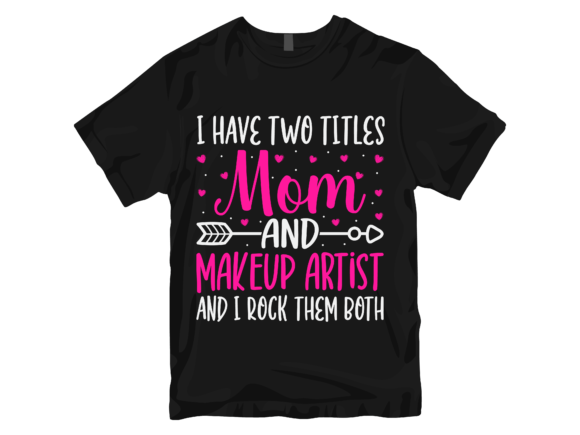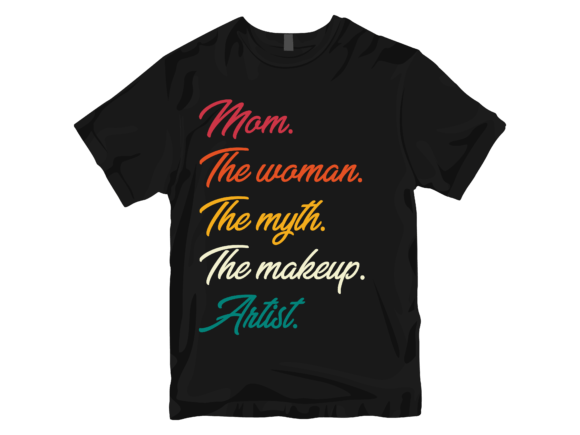
Mom the Woman the Myth the Makeup Artist
First Impressions: Playful, Punchy, and Proudly Unapologetic
When I opened Mom the Woman the Myth the Makeup Artist for the first time, I didn’t see just another “mom” design—I saw personality with intention. It’s bold without being loud, witty without trying too hard, and visually balanced in a way that suggests thoughtful composition—not just text slapped on a canvas. The rhythm of the phrase lands like spoken-word cadence: “the Woman,” “the Myth,” “the Makeup Artist”—each title building on the last. That structure translates beautifully to embroidery: natural pauses for stitch breaks, clear visual hierarchy, and room for expressive lettering or subtle decorative accents (think tiny eyeliner flicks or lipstick smudges—if those were part of the file).
A Real-World Test: Embroidering This on a Linen-Cotton Tote Bag
Last week, I prepped Mom the Woman the Myth the Makeup Artist for a custom order: a medium-weight linen-cotton tote for a boutique owner launching a Mother’s Day capsule collection. Not a t-shirt—no stretch, no drape, but texture. I chose a 3.5” tall vertical layout centered on the front panel. What stood out immediately was how well the line weight held up at that scale: no thin strokes vanished, no curves bled into fuzziness, and the kerning stayed legible even when stitched in matte rayon thread. It looked handmade—but polished. Customers paused at the counter, smiled, and said, “That’s *her*.” That kind of instant recognition? That’s the difference between decoration and connection.
Where This Design Truly Shines
- Sweatshirt embroidery: Its confident spacing and moderate height (no ultra-thin serifs or micro-details) makes it forgiving on fleece and brushed cotton—no sinking threads or skipped stitches.
- Embroidered patch production: Clean outer edges and consistent stroke width mean crisp cutaway or heat-seal backing works reliably. Great for craft fairs or Etsy patch bundles.
- Personalized gifts: Whether stitched onto a baby onesie (scaled down thoughtfully), a kitchen towel, or a pillow cover, it carries warmth and humor without leaning into cliché.
- Small shop product branding: It reads clearly in mockups—even on mobile—and supports cohesive digital assets (printables, social banners, packaging labels) because its voice is distinct but not overwhelming.
Where to Proceed with Care
This isn’t a one-size-fits-all embroidery file—and that’s a strength, not a flaw. Use discernment:
- Avoid ultra-tiny hoop sizes (under 3”): The phrase relies on rhythm and proportion. Shrinking it below ~2.75” risks flattening the personality—letterforms compress, spacing tightens unnaturally, and “Makeup Artist” can blur into a single visual block.
- Test on textured or stretchy fabric first: While it handles medium-weave cotton and linen well, highly napped fabrics (like heavy terry cloth) or high-spandex knits may require extra stabilizer and slower stitch speed to prevent distortion.
- Dark fabric demands contrast checks: If stitching on charcoal or navy, verify your thread color doesn’t mute the wit—cream or light gold pops better than off-white; black thread on black fabric loses all definition.
- Caps and curved surfaces need layout adjustment: The natural flow leans horizontal. For front-of-cap placement, consider rotating slightly or selecting a condensed variant—if offered—or repositioning the phrase to follow the curve’s arc.
What This Design Says About Your Finished Product
Mom the Woman the Myth the Makeup Artist elevates more than just fabric—it elevates perception. When stitched cleanly, it signals care, confidence, and contemporary taste. Buyers don’t just see “mom”; they see identity, craft, and celebration. That builds trust: a customer ordering this for a bridal shower gift or a nurse-mom’s birthday knows you understand nuance. It also reinforces brand consistency—if you sell handmade apparel or digital embroidery files, this design fits seamlessly into a curated collection alongside other strong, voice-driven pieces (not filler graphics). And yes—it boosts giftability. People buy it *because* it feels personal, not generic.
Practical Designer Notes Before You Stitch
- Always test on scrap fabric first—especially if using non-standard thread (e.g., metallic or variegated) or blending two thread colors for shadow effects.
- Review stitch density: Dense fill areas (if any decorative elements are included) may need reduced density on lightweight fabrics to prevent stiffness.
- Confirm hoop size compatibility: Does your machine handle the full design in one pass? If not, check whether the file includes multi-hooping guidance.
- Inspect small details: Even if “Makeup Artist” looks clean on screen, zoom in on individual letters—look for stray nodes or overlapping paths that could cause jump stitches.
- Test black-and-white mockups: Helps spot contrast issues before committing thread or fabric.
- Use appropriate stabilizer: Tear-away for stable wovens; cut-away for knits or delicate items like baby caps.
- Verify licensing: Since this is listed under T-Shirt Designs and Graphics, confirm whether commercial use (e.g., selling finished embroidered sweatshirts on Etsy) is permitted—and whether attribution is required.
Final Thought: A Design That Works as Hard as She Does
Mom the Woman the Myth the Makeup Artist isn’t background noise. It’s a statement—meant to be seen, felt, and remembered. As an embroidery designer and reviewer who’s stitched hundreds of “mom” motifs, I can say this one stands apart: it balances reverence and irreverence, simplicity and character, trend-awareness and timelessness. Use it where authenticity matters—in custom apparel, boutique merchandise, personalized gifts, or your own craft business lineup. Just remember: great embroidery starts with smart choices, not just pretty files. Test it. Trust your eye. And let the design do what it does best—make people smile, nod, and say, “Yes. That’s *exactly* her.”