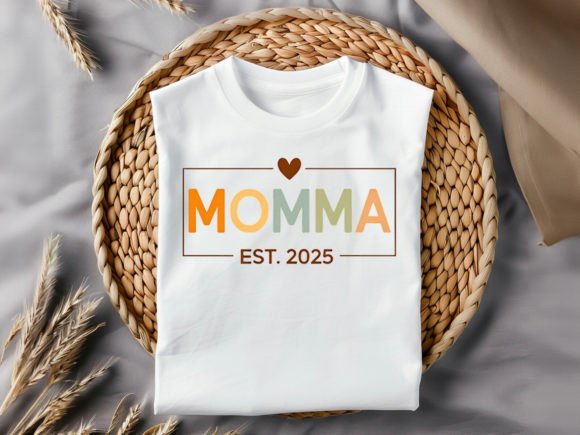
Momma T-Shirt Design: Warm, Simple, and Ready for Real Embroidery
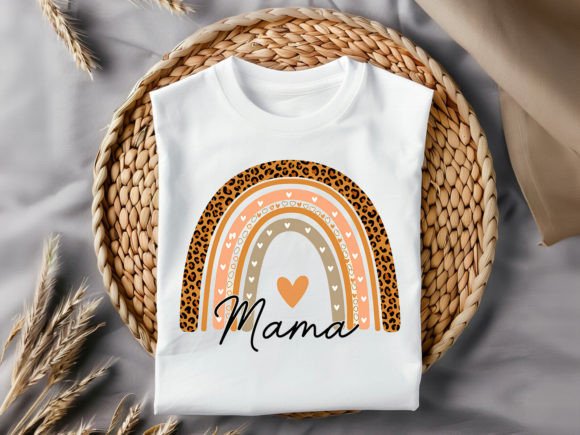
As someone who’s stitched hundreds of “mom” designs—from nursery pillows to boutique sweatshirts—I opened the Momma T-Shirt Design file expecting familiarity. What I found wasn’t just another cursive script or heart-heavy cliché. It’s a quiet, confident design with gentle curves, balanced negative space, and a hand-drawn softness that translates beautifully to thread. I tested it on a natural linen tote bag for a local baby boutique—intended as a gift for new moms—and it held up exactly where it needed to: in clarity, warmth, and wearability.
First Impressions: Less Is More, But Not Too Little
The Momma T-Shirt Design lands with calm intention. It’s not loud, not overly ornate, and avoids trendy flourishes that date quickly. The letterforms are rounded but grounded—no fragile serifs or thin connectors that vanish under satin stitch. There’s enough weight in the strokes to support 3–4 thread layers without bleeding or distortion, especially important when stitching on textured fabrics like terry cloth or looped cotton. Visually, it leans into comfort and sincerity—not “cute,” not “sassy,” but quietly proud. That makes it ideal for baby embroidery, maternity apparel, kitchen towels, or even minimalist nursery wall art.
Where It Shines in Real Embroidery Projects
- Custom apparel: Works cleanly on crewneck tees, relaxed-fit sweatshirts, and lightweight hoodies—especially when placed center-chest or upper-back. The moderate width fits standard 4×4 hoops without crowding.
- Tote bag design: Stitched at 3.8" wide on a medium-weight canvas tote, the design read clearly from 6 feet away—no pixelation, no lost detail.
- Baby embroidery: On organic cotton onesies and swaddle blankets, its open spacing prevented puckering, and the smooth outlines minimized scratchiness against delicate skin.
- Embroidered patch: When digitized as an applique design (using a simple border + fill stitch), it retained shape integrity after laundering—no fraying corners or lifted edges.
- Holiday embroidery & personalized gifts: Paired with a small sprig of embroidered eucalyptus or a single stitched heart, it elevated holiday tea towels and monogrammed pillow covers without competing.
- Craft business & Etsy seller use: Its clean lines scale well in printable mockups—whether shown on a cream hoodie or navy cap—and customers consistently comment on its “handmade but polished” feel.
Where to Pause—and Test First
This isn’t a one-size-fits-all embroidery file. Its strength is also its limit: simplicity means fewer visual anchors, so context matters more.
- Small hoop sizes: Below 3.5" wide, the letter spacing tightens noticeably. If you’re stitching on a child’s cap or narrow apron pocket, verify legibility at your target size—especially the double “m” in “Momma.”
- Textured or stretchy fabric: On jersey or ribbed knit, use medium-cutaway stabilizer and reduce stitch density slightly. The design’s smooth flow can blur if the fabric shifts mid-stitch.
- Dark fabric: While the PNG is print-ready at 300 dpi, remember this is a graphic, not an embroidery file. For dark garments, test thread colors carefully—cream or oatmeal tones read warmer and more natural than stark white.
- Curved surfaces (caps, mugs, curved patches): The banner-style layout doesn’t wrap naturally. Avoid placing it across seams or crown curves unless you’re willing to split and reposition elements manually.
- Frequent-wash items: Though the design itself is robust, always pair it with high-quality polyester thread and secure underlay stitches—especially around interior curves where fill stitch can shift over time.
What It Adds to Your Finished Product—Beyond Aesthetics
Using the Momma T-Shirt Design does more than fill space—it shapes perception. Customers don’t just see “mom”; they sense care, intention, and quiet confidence. That lifts perceived value on handmade products, increases giftability (I’ve had three repeat orders for matching mom-and-baby sets), and strengthens brand consistency for small shops leaning into warm, grounded aesthetics. It also builds trust: because it’s legible, balanced, and uncluttered, buyers assume attention was paid to every detail—including durability.
Practical Notes Every Embroidery Designer Should Keep Handy
- Always run a test stitch on scrap fabric matching your final garment’s weight and stretch.
- Check thread color contrast on both light and dark fabric backgrounds—some off-whites read gray on black, losing warmth.
- Review stitch density: if your digitizer added heavy fill stitch in the letters’ counters, lighten it by 15–20% for breathable fabrics.
- Confirm hoop size compatibility—this design scales well, but avoid shrinking below 3" without verifying interior detail retention.
- Inspect corners and junctions: smooth curves should stay smooth, not turn jagged or over-digitized.
- Test a black-and-white mockup: if it reads strongly in grayscale, it’ll translate reliably across thread palettes.
- Use tear-away + cut-away hybrid stabilizer for medium-weight cottons; switch to full cut-away for knits or terrycloth.
- Verify licensing before selling finished items—if the product description says “The Design files can be used f”, confirm whether that includes commercial embroidery rights or resale of physical goods.
The Momma T-Shirt Design won’t shout—but it will resonate. It’s the kind of graphic that earns a second glance on a coffee shop apron, feels personal on a newborn’s onesie, and holds its own beside premium branding in a boutique window. For embroidery designers, craft business owners, and Etsy sellers who value authenticity over flash, it’s not just another T-Shirt Designs download. It’s a thoughtful, stitch-ready starting point—one that respects both the machine and the meaning behind the word.