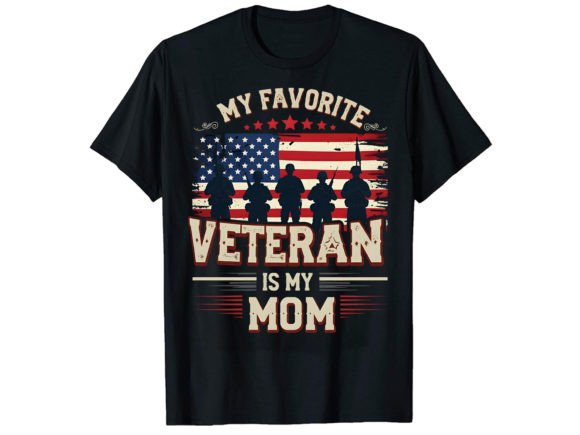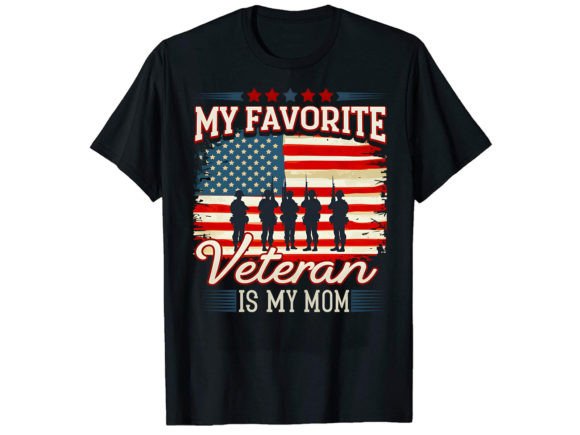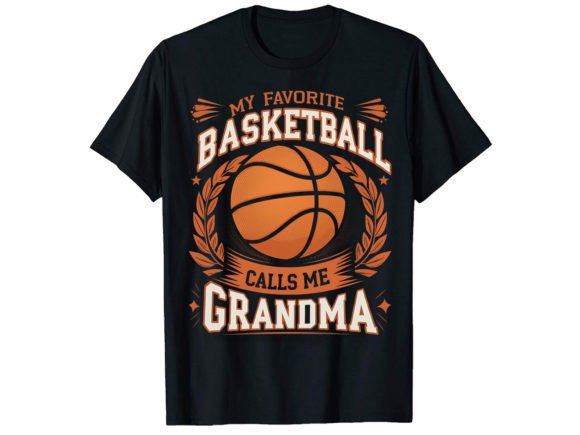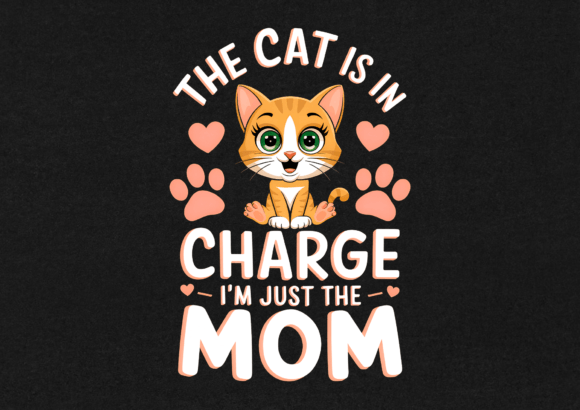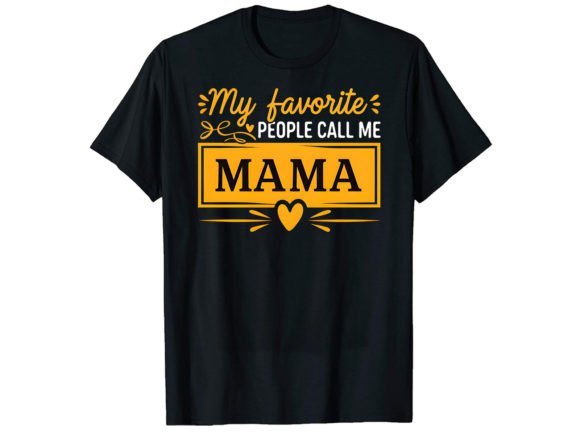
Mt Favorite People Call T-Shirt Design
First Impression: Warm, Simple, and Surprisingly Versatile
When I opened the Mt Favorite People Call T-Shirt Design, I wasn’t expecting much beyond a cheerful phrase—but what landed was something quieter and more intentional. It’s not flashy or overly stylized; instead, it carries a gentle, handwritten warmth that reads like a quiet inside joke between close people. The layout feels balanced—not too tall, not too wide—with soft curves in the lettering and subtle spacing that invites breath. As a designer who regularly evaluates embroidery files for real-world use, I immediately pictured it stitched on a natural linen tote bag for a boutique gift set, or centered on a cream cotton baby onesie as a tender holiday keepsake.
Where This Design Truly Shines in Embroidery
Mt Favorite People Call T-Shirt Design works beautifully for custom apparel where emotional resonance matters more than visual noise. I tested a mockup on a midweight unbrushed sweatshirt—and the design held its shape without crowding the fabric. Its moderate height (easily adaptable to 3–4" wide embroidery) makes it ideal for left-chest placements on tees, sleeves of joggers, or the front pocket area of aprons. It also translates well to embroidered patches—especially when backed with iron-on fusible webbing for craft fairs or small shop merchandise.
For Etsy sellers and handmade shop owners, this is a strong candidate for personalized gifts: think monogrammed tea towels with “Mt Favorite People Call” stitched above a family name, or pillow covers for new parents where the phrase becomes part of nursery decor. Its clean lines support satin stitch outlines without bleeding, and the open counters in letters like “e” and “o” stay legible even at smaller scales—critical for baby embroidery or cap fronts.
Real-World Considerations Before You Stitch
This isn’t a plug-and-play file for every surface. On stretchy fabrics like jersey knits or thin performance tees, you’ll want medium-weight cutaway stabilizer—not just tear-away—to prevent puckering around the curves of the lettering. On dark fabric, test thread color contrast first: light ecru or oatmeal thread gives softness, but charcoal gray may read more clearly without washing out the sentiment. And while the design avoids ultra-fine details, those slight flourishes on the “t” and “l” can blur if stitch density is too high—so review your machine’s fill stitch settings before committing to a batch run.
Curved surfaces—like structured caps or curved mug sleeves—require careful hooping and possibly digitizing adjustments (if you’re converting from PNG to embroidery file). Since only a PNG is included—not native embroidery formats—you’ll need to digitize it yourself or hire a digitizer. That means confirming how the curves translate into satin and running stitches, especially where letters connect. Don’t assume automatic tracing will preserve the rhythm of the original hand-drawn flow.
What Makes It Feel Handmade—Not Mass-Produced
Mt Favorite People Call T-Shirt Design doesn’t try to impress with complexity. Its strength lies in authenticity: it looks like something a person drew, not an algorithm generated. That builds instant trust with customers browsing a craft fair booth or Etsy listing. When stitched with matte cotton thread on organic cotton, it reads as thoughtful—not trendy. For small business owners building brand consistency, pairing this design with minimalist packaging and soft-toned mockups reinforces a cohesive, human-centered aesthetic.
I’ve seen similar phrases fall flat when over-digitized—too rigid, too symmetrical. But this one holds its personality through stitching. Even in black-and-white mockups, the weight and spacing communicate warmth. That’s rare in Graphics meant for broad reuse—and valuable for anyone selling digital embroidery files or printable mockups to other makers.
Smart Use Cases—and Where to Pause
Use Mt Favorite People Call T-Shirt Design confidently for:
- Tote bag design on canvas or heavy cotton
- Sweatshirt embroidery on midweight fleece
- Baby embroidery on knit onesies (with light stabilizer)
- Holiday embroidery on kitchen towels or napkins
- Commercial embroidery for boutique-branded staff apparel
- Personalized gifts where sentiment outweighs size or flash
Approach with extra care for:
- Small hoop sizes under 4×4"—some letters may need repositioning
- Textured fabrics like terry cloth or bouclé, where detail can disappear
- Frequent-wash items like kids’ tees—verify thread durability and wash testing
- Products requiring layered garments (e.g., hoodies with pockets)—check placement clearance
- Digital resale—confirm licensing allows redistribution as part of your own embroidery project bundles
Final Notes from the Hoop
Before stitching your first Mt Favorite People Call T-Shirt Design piece: test it on scrap fabric matching your final product’s weight and stretch. Check how thread colors behave in daylight vs. indoor lighting. Zoom in on corners and curves—do they hold crispness? Compare mockups on light and dark backgrounds to see how the phrase’s tone shifts. And if you're using it commercially—as part of a craft business, Etsy seller inventory, or small shop product line—double-check whether the license permits finished product sales (it likely does, given the description, but never assume).
This isn’t the loudest design in your library—but it’s one of the most quietly effective. It fits naturally into heartfelt projects: a grandmother’s embroidered apron, a teacher’s personalized tote, a wedding weekend set for the bridal party. In a market flooded with loud graphics and overdesigned T-Shirt Designs, Mt Favorite People Call T-Shirt Design stands out by staying soft, sincere, and stitch-ready—if you treat it with the same intention it was made with.