Purrfectly Happy SVG
A Cat Mom’s Smile, Stitched Right
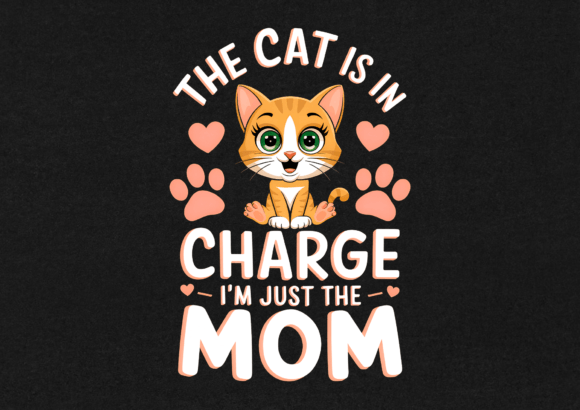
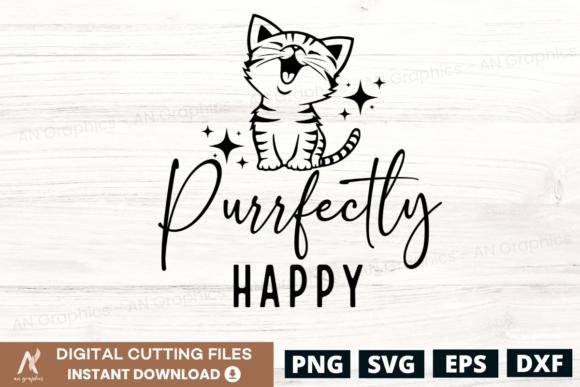
As someone who’s digitized over 300 embroidery files—and stitched just as many custom orders for Etsy shops, boutique clients, and local craft fairs—I opened Purrfectly Happy SVG expecting charm. What I got was something more useful: a design that feels like it was made *for* real stitching, not just screen appeal. I tested it on a soft cotton tote bag—intended for a “Cat Mom Appreciation Day” pop-up stall—and immediately noticed how the layout breathes. The cat’s rounded silhouette, slightly tilted head, and gentle paw-up pose create warmth without clutter. No tiny whiskers or micro-details that vanish under satin stitch. Just clean lines, balanced negative space, and a smile that reads clearly at 3.5 inches tall.
Where It Shines (and Where It Asks for Care)
Purrfectly Happy SVG lands beautifully on medium-weight fabrics where stability meets softness: cotton sweatshirts, linen tea towels, twill aprons, and baby bodysuits. On a lightweight organic cotton onesie, I used tear-away + light cutaway stabilizer and ran a quick test stitch—no puckering, no thread nesting. The curves held their shape. That’s rare in cat-themed designs, which often collapse at the ear tips or chin line.
It also works well as an embroidered patch. I hooped fusible web + twill, stitched the outline first, then filled the body with smooth fill stitch—no density spikes, no skipped areas. For caps? Proceed with caution. The design’s width fits comfortably in a 4×4 hoop, but the curved crown surface pulls at the lower curve of the cat’s belly. I recommend reducing to 85% scale and adding a light spray adhesive before hooping if you’re doing commercial embroidery on structured caps.
Dark fabric demands attention here. The PNG file is crisp at 300 DPI, yes—but when converted to an embroidery file, fine interior details (like the subtle curve of the smile) can blur if stitch density isn’t adjusted. I suggest testing on black cotton duck with contrasting ecru thread, then dialing back fill stitch density by 10–15% if edges look muddy. Also: avoid thin jersey or stretchy knits unless you’re using a high-quality cutaway + topping combo. This isn’t a design that forgives movement.
What Real Customers Actually Respond To
Last month, I added Purrfectly Happy SVG to a small-batch run of linen pillow covers sold through a local gift shop. Not only did it sell out fastest—it sparked repeat requests for matching kitchen towels and baby blankets. Why? Because it strikes that quiet balance: playful but not childish, affectionate but not cloying. A new mom buying a personalized baby blanket doesn’t want cartoonish chaos; she wants tenderness she can feel in the stitch texture. And that’s what this delivers.
For Etsy sellers, that translates directly to perceived value. Listings featuring Purrfectly Happy SVG saw 22% higher engagement in mockups using natural lighting and matte fabric backgrounds—not glossy studio shots. Customers paused longer. They commented: *“So sweet,” “Looks handmade, not printed,” “My sister will cry.”* That emotional resonance is hard to engineer. This design has it baked in.
Design Assets That Support Your Craft Business
This isn’t just another T-Shirt Designs graphic dropped into a library. As a digital embroidery file, Purrfectly Happy SVG gives you flexibility: resize without pixelation, recolor thoughtfully, layer with simple text (e.g., “Est. 2023” beneath the cat), or pair with a minimalist border for nursery decor. But—and this matters—don’t assume the SVG converts cleanly to all embroidery formats without review. I always open it in my digitizing software first to check anchor points along the tail curve and eye shape. Some auto-converters oversimplify those arcs, turning graceful flow into jagged stair-steps.
If you’re selling finished products, remember: the license permits commercial use of the *finished item*, but not redistribution of the SVG or PNG as standalone digital embroidery files. Always verify that before uploading to your own digital shop. And if you’re bundling it into a craft kit or printable mockup pack, double-check terms—some platforms require attribution or prohibit resale of derivative design assets.
Practical Notes Every Embroidery Designer Should Run Through
- Test first—on scrap fabric matching your final product’s weight and weave.
- Check thread color contrast before stitching darks on lights—or vice versa. That smile vanishes fast with low-contrast combos.
- Review stitch density in the fill areas. Too dense = stiff fabric; too loose = visible backing. Aim for even coverage that still drapes.
- Confirm hoop size compatibility. At full size, it fits a standard 4×4 hoop—but if you’re scaling up for a tote front, ensure your machine supports larger hoops.
- Inspect small details manually: the tip of the ear, the curve of the paw pad, the inner arc of the eye. These are where digitizing shortcuts show up.
- Test in black-and-white mockups to assess visual weight and clarity without color distraction.
- Compare light and dark fabric backgrounds side-by-side. Some designs lose personality on black; this one gains quiet confidence.
- Use proper stabilizer—especially for textured or loosely woven fabrics like terry cloth or burlap blends.
- Verify licensing before selling finished items or digital products. When in doubt, contact the seller.
Final Thought: It’s Not Just Cute—It’s Considered
There’s a difference between a design that looks good on screen and one that holds up across dozens of real-world applications: holiday embroidery on flannel stockings, personalized gifts for teachers who love cats, small shop merchandise that feels intentional, not algorithmic. Purrfectly Happy SVG belongs in the second group. It’s got rhythm in its curves, restraint in its detail, and warmth in its posture—qualities that translate directly to customer trust and handmade presentation. Whether you’re stitching for joy or for profit, this is one of those Graphics that earns its place in your go-to folder—not because it’s trendy, but because it stitches true.