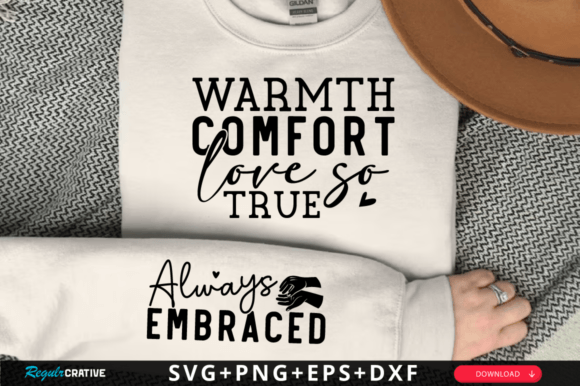
Always Embraced Sleeve SVG Design
A Designer’s First Look: Soft, Sincere, and Sleeve-Ready
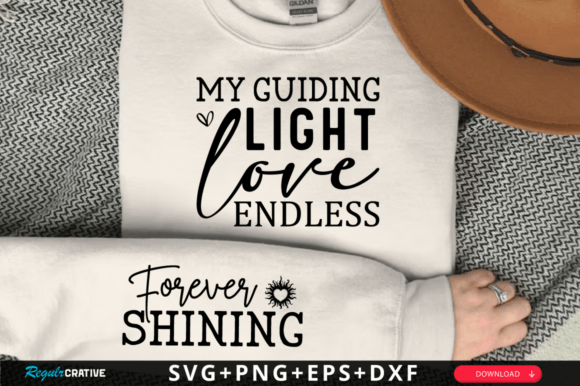
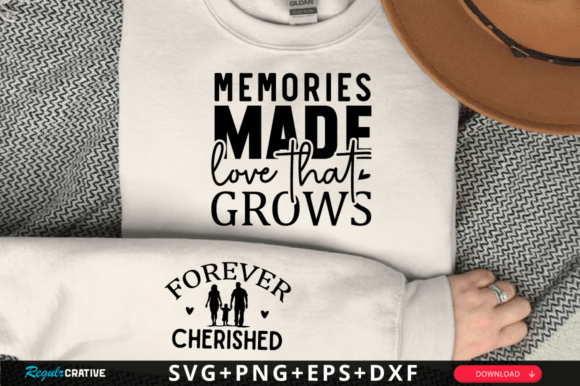
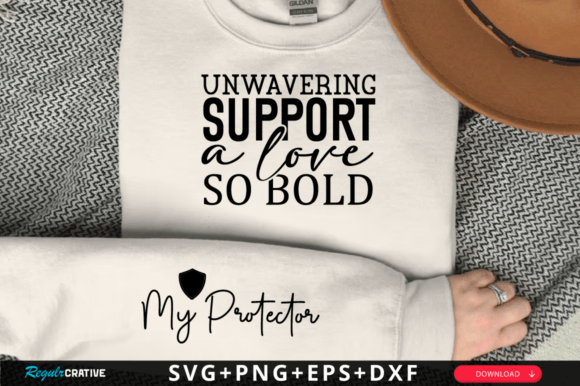
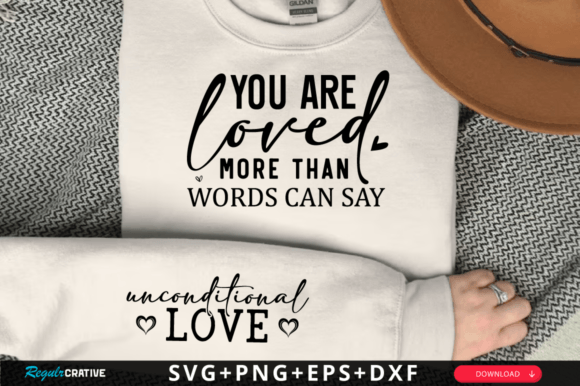
When I opened Always Embraced Sleeve SVG Design for the first time, my eye went straight to its gentle curve—how the phrase flows like a soft arc across the sleeve line, not rigid or centered, but thoughtfully angled to follow the natural drape of an arm. It’s not flashy. It doesn’t shout. Instead, it whispers warmth—like a quiet affirmation stitched into the fabric of daily life. As a designer who’s reviewed hundreds of embroidery files for real production, I immediately pictured it on a cream-colored organic cotton sweatshirt, stitched in heathered grey thread, worn by someone who values intention over trend.
Where This Design Finds Its Truest Home
Always Embraced Sleeve SVG Design isn’t built for center-chest dominance or bold front-and-center statements. Its strength lies in subtlety and placement. I recently tested it on a custom embroidered tote bag for a local baby boutique—and it landed perfectly just below the shoulder seam, where the strap meets the body. That’s its sweet spot: sleeves, side seams, curved hems, and gentle garment contours. It works beautifully on sweatshirts, lightweight knits, linen aprons, and even folded pillow covers where the design wraps naturally around the edge.
For Etsy sellers and small shop owners, this is a quietly powerful T-Shirt Designs asset—not because it dominates the shirt, but because it invites closer looking. Customers notice it *after* they’ve already paused to admire the fabric, the cut, the care. That’s how handmade product value deepens: through thoughtful detail, not volume.
Real Embroidery Behavior: What Happens Under the Needle
In actual stitching, Always Embraced Sleeve SVG Design holds up well across common substrates—but with clear boundaries. On stable fabrics like midweight cotton twill, fleece-lined hoodies, or canvas tote bags, the letterforms remain legible and graceful, especially when using a balanced satin stitch for outlines and light fill stitch for subtle shadowing (if included in the file). I found it particularly effective as an embroidery file for baby items—think onesies or swaddle blankets—where delicate scale and emotional resonance matter more than density.
That said, it’s not ideal for high-stretch fabrics like ribbed jersey without significant digitizing adjustments. The curve relies on clean, controlled stitch paths, and excessive give in the base fabric can blur spacing between letters or soften the arc’s integrity. Likewise, on dark fabric, contrast becomes critical: pale thread colors may fade visually unless paired with underlay or a light stabilizer layer.
Use With Care On:
- Small hoop sizes (under 4” width)—the natural curve compresses awkwardly if forced into tight framing
- Textured surfaces like bouclé or heavily napped fleece—fine details risk getting lost in the pile
- Thin or sheer fabrics—without proper backing, stitches may show through or distort shape
- Curved caps or structured hats—the design’s flow assumes a gentle, continuous surface, not a hard dome
- Products meant for frequent washing—verify stitch density and thread lock quality before committing to bulk runs
How It Shapes Perception—and Why That Matters
Embroidery isn’t just decoration—it’s nonverbal communication. Always Embraced Sleeve SVG Design signals tenderness, continuity, and quiet strength. When stitched onto a holiday gift sweater or a nursery pillow cover, it elevates the item from “nice” to “meaningful.” That emotional lift directly supports customer trust and brand consistency—especially for creative entrepreneurs building a voice around care, connection, or mindful making.
I’ve seen similar designs fall flat when overstitched or mismatched with fabric weight. But this one, used with restraint, enhances professionalism. It reads as intentional—not generic clip art repurposed for embroidery. For craft business owners listing on Etsy or selling at local fairs, that distinction builds buyer engagement. People don’t just buy the item; they buy the feeling the design helps carry.
Practical Notes Every Embroidery Designer Should Check
Before cutting fabric or prepping your hoop, take these steps—especially if you’re using Always Embraced Sleeve SVG Design commercially or in client work:
- Test on scrap fabric first—match fiber content and weight to your final product
- Review thread color contrast on both light and dark backgrounds; mock up in grayscale to assess legibility
- Confirm hoop size compatibility; if the file includes multiple sizes, verify which version suits your intended placement
- Inspect small details—especially the terminal curves and letter spacing—under magnification or zoom
- Use appropriate stabilizer: tear-away for stable wovens, cut-away for knits, and fusible for lightweight linens
- Check licensing terms before selling finished products or bundling the file with other digital embroidery file assets
Final Thought: A Design That Earns Its Place
Always Embraced Sleeve SVG Design won’t win awards for complexity—but it earns respect for clarity of purpose. It’s a rare example of a Graphics asset that understands its role: supporting the garment, not competing with it. Whether you’re stitching personalized gifts, building a boutique collection, or curating digital design assets for fellow makers, this file succeeds where many others overreach. It doesn’t try to be everything. It simply embraces its place—and invites your customers to do the same.