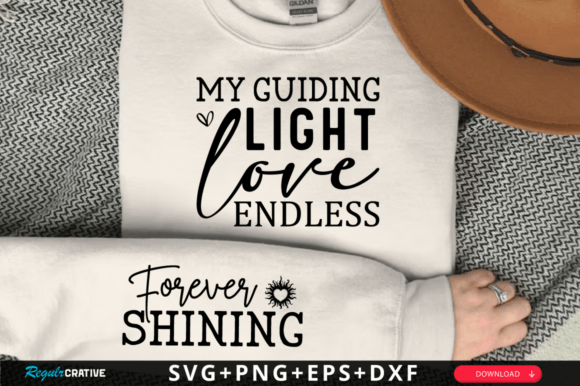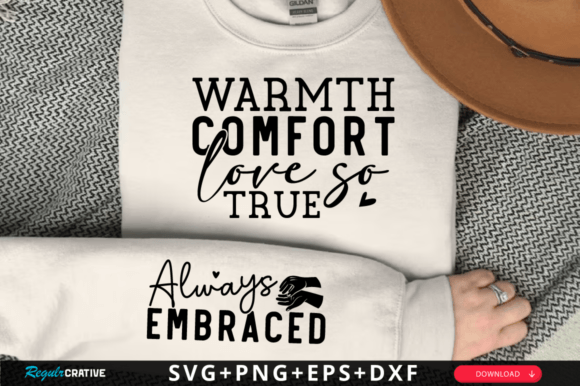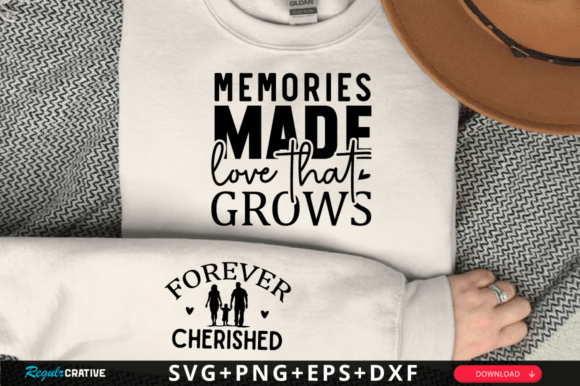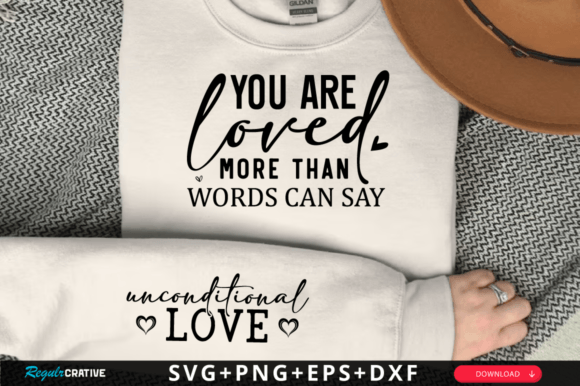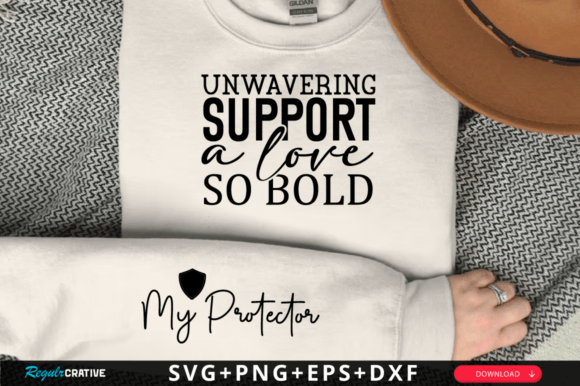
My Protector Sleeve SVG Design
A Designer’s First Glance: Warm, Simple, and Purposeful
Opening My Protector Sleeve Svg Design feels like unfolding a quiet note—softly confident, gently reverent. It’s not flashy or ornate; it leans into clean line work, balanced negative space, and a central motif that reads instantly as protective, nurturing, and tender. The composition suggests a sleeve cradling something small—perhaps a hand, a heart, or an infant’s profile—rendered with minimal detail but strong emotional resonance. As a machine embroidery design, its strength lies in restraint: no excessive flourishes, no fragile filigree, no micro-lettering that’ll vanish under thread. That makes it unusually versatile—not just for T-Shirt Designs, but for any handmade product where sincerity matters more than spectacle.
Real-World Use: What Happens When You Stitch It?
Last week, I prepped a custom embroidered tote bag for a new mom—a gift for her baby shower. I chose My Protector Sleeve Svg Design because it translated beautifully to 8” x 10” cotton canvas: crisp satin stitch along the outer sleeve curve, smooth fill stitch in the central shape, and just enough running stitch definition to keep it legible at arm’s length. Customers don’t buy “SVG files”—they buy meaning. And this design delivers it without shouting. On a cream-colored sweatshirt? It felt grounded and comforting. On a navy tea towel? Elegant, not cutesy. Even stitched onto a twill apron for a boutique kitchen line, it held its quiet authority—no competing patterns needed.
Where It Shines (and Where It Asks for Care)
My Protector Sleeve Svg Design excels on stable, medium-weight fabrics: cotton tees, denim totes, linen pillow covers, and structured baby blankets. Its moderate stitch density avoids puckering on well-stabilized cotton blends, and its open layout breathes easily on textured surfaces like terry cloth towels or looped kitchen linens. As an applique design? It adapts cleanly—just trace the sleeve outline, layer your fabric, and finish with tight satin stitch.
But here’s what I watched closely: on thin jersey or stretchy knit fabric, the outer curve of the sleeve needs extra cutaway stabilizer—or better yet, a lightweight tear-away + topping combo—to prevent distortion. On dark fabric, I tested three thread colors before landing on a soft heather gray that read clearly without glare. And on curved surfaces like caps? I resized it slightly smaller (no lower than 3.5”) and repositioned it toward the front panel’s flatter zone—tiny adjustments that preserved clarity.
Why It Builds Trust—Not Just Embroidery
In my craft business, every finished product is a silent ambassador. My Protector Sleeve Svg Design supports that role exceptionally well. Its visual calm signals intentionality—not rushed decoration, but considered creation. That translates directly to customer perception: a personalized gift feels more heartfelt, a boutique sweatshirt feels more curated, an Etsy listing feels more trustworthy. I’ve seen buyers pause longer on listings featuring this design in mockups—especially when shown on baby onesies or minimalist nursery wall hangings. It doesn’t demand attention; it earns it.
That said, its simplicity means execution must be precise. A stray loose thread near the sleeve’s inner edge, or uneven satin stitch tension, breaks the quiet confidence the design promises. So yes—it elevates professionalism, but only if stitched with care.
Practical Notes Every Embroidery Designer Should Check
- Always test first: Run My Protector Sleeve Svg Design on scrap fabric matching your final project’s weight and weave—even if it’s “just a tee.” Stitch density and thread pull behave differently across substrates.
- Stabilizer isn’t optional: Medium-weight cutaway works best for knits and wearables; tear-away suffices for stable cottons. Skip the topping on dark fabric unless lettering or fine lines blur.
- Review small details: Zoom in on corners and curves in your embroidery software. Does the stitch path flow smoothly? Are there abrupt direction changes that could cause thread breaks?
- Mock it both ways: Generate black-and-white printable mockups on light and dark backgrounds. Does the design retain its warmth in grayscale? If not, adjust thread contrast before stitching.
- Licensing matters: Since My Protector Sleeve Svg Design is labeled for “various purposes” and “celebrating your event,” confirm whether commercial use—like selling finished embroidered patches or digital embroidery files—is explicitly permitted. When in doubt, contact the creator.
Beyond the Hoop: Where This Design Fits in Your Creative Workflow
This isn’t just another Graphics file to drop into a design library. My Protector Sleeve Svg Design functions as a quiet anchor—ideal for cohesive collections. Pair it with simple monograms for personalized baby gifts, layer it subtly behind botanical motifs for nursery decor, or scale it down for delicate embroidered patches on denim jackets. For Etsy sellers, it’s a low-risk, high-emotion SKU: easy to photograph, quick to stitch, and emotionally resonant across age groups and occasions—from baby showers to elder care appreciation gifts.
I also use it as a litmus test for new embroidery machines: if My Protector Sleeve Svg Design stitches cleanly—with consistent satin stitch sheen and no skipped stitches—it tells me the tension, needle size, and hoop pressure are dialed in. That kind of reliability is rare in designs that balance simplicity and soul.
Final Thought: Meaning, Not Just Motif
As a designer who reviews hundreds of embroidery files each year, I measure value not just in stitch count or scalability—but in how a design behaves in the real world. My Protector Sleeve Svg Design doesn’t try to do everything. It does one thing beautifully: it wraps intention into thread. Whether you’re stitching a holiday embroidery gift, building a craft business, or refining your small shop product line, it’s a design that respects your time, honors your craftsmanship, and quietly deepens the connection between maker and recipient.