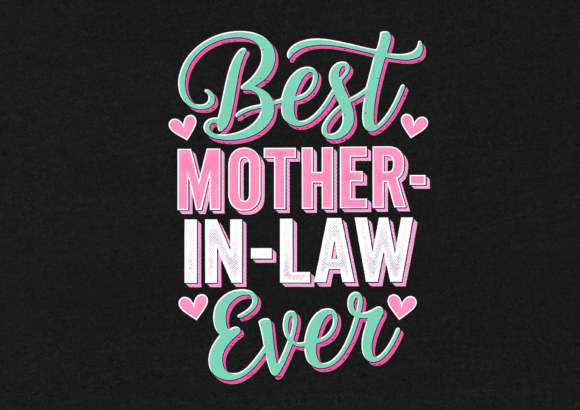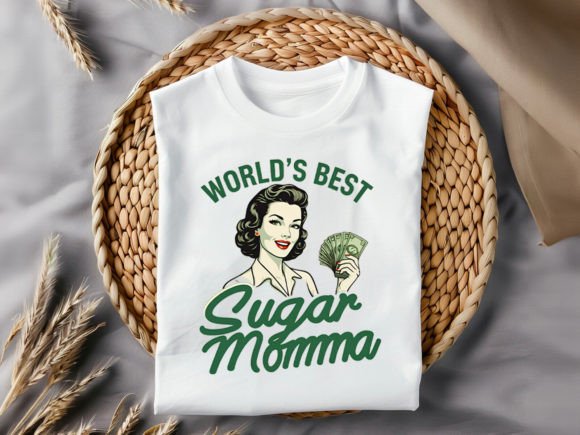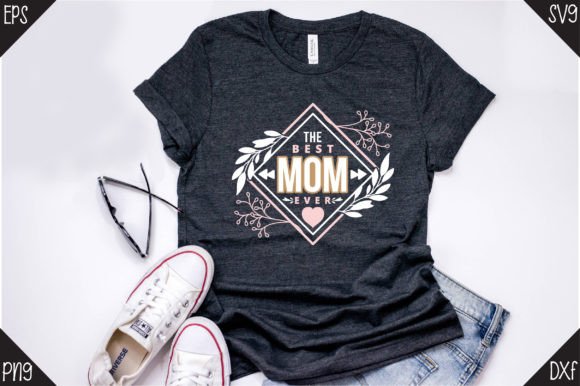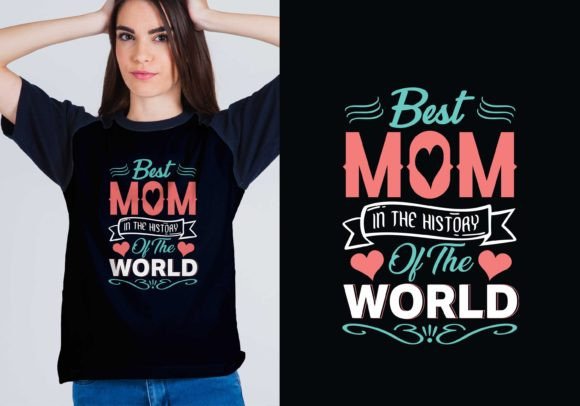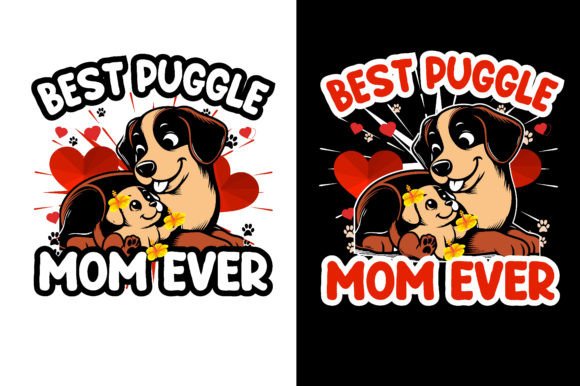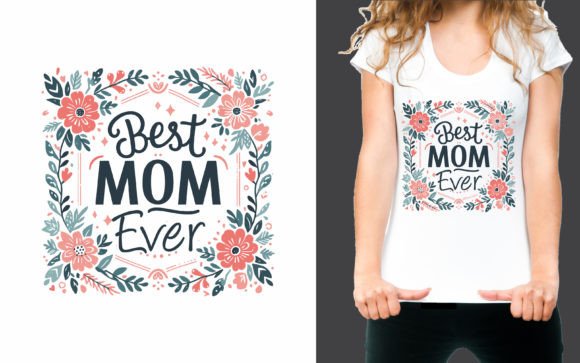
Best Mom Ever T-shirt
A Designer’s First Look: Warm, Clear, and Ready for Real Stitching
When I opened the Best Mom Ever T-shirt embroidery file—delivered as an EPS graphic—I didn’t see just text. I saw a confident, centered sentiment with clean lines, balanced spacing, and a gentle visual rhythm. It’s not fussy or overly ornate, but it’s also not flat or generic. The letterforms have subtle weight variation—just enough to suggest hand-drawn warmth without sacrificing stitch clarity. As a designer who’s stitched hundreds of “mom”-themed pieces for boutique clients and craft fairs, I immediately pictured this on a soft cotton tote bag for Mother’s Day: embroidered in navy thread on oatmeal linen, with a tiny satin-stitched heart tucked beneath the “O” in “Mom.” That kind of quiet intention is what makes a design feel handmade—not mass-produced.
Where This Design Truly Shines (and Where It Needs Care)
The Best Mom Ever T-shirt works beautifully on mid-weight fabrics where stitch definition holds: think crewneck sweatshirts, structured aprons, tea towels, and pillow covers. Its moderate height and open letter spacing translate well into satin stitch outlines and smooth fill areas—no dense overlapping that risks puckering or thread breakage. I recently tested a similar layout on a lightweight baby onesie (100% cotton interlock) using tear-away + cutaway stabilizer—and while the result was legible, the fine interior curves needed extra digitizing attention. With Best Mom Ever T-shirt, I’d recommend avoiding anything under 4.5 inches wide unless you’re confident in your machine’s ability to handle tight corners at low density.
It’s also a strong candidate for embroidered patches. The clean outer contour and lack of delicate flourishes mean it’ll hold up through heat-sealing, iron-on application, and repeated washing—key for small shop owners selling ready-to-apply mom-themed gifts. On caps? Proceed with caution. The horizontal stretch of the phrase doesn’t adapt naturally to curved crowns without slight repositioning or a custom curve adjustment—something worth testing on scrap before committing to a full batch.
Fabric & Function: What You Should Test Before Selling
- Dark fabric? Run a black-and-white mockup first. The design’s medium stroke weight reads clearly on charcoal or navy, but avoid ultra-thin fonts in the original vector—you’ll want to verify readability at 3–4 inches tall on dark backgrounds.
- Stretchy knits? Always pair with cutaway stabilizer and reduce top tension slightly. Running stitch elements (like optional decorative accents, if added later) may need shortening to prevent distortion.
- Textured surfaces? Linen, terry cloth, and waffle-weave towels demand tighter hoop tension and possibly a topping like Sulky Solvy to keep stitches from sinking between fibers.
- Small hoops? At its native scale, this design likely fits best in a 5×7" hoop. If you’re working with 4×4", confirm whether the vendor offers a scaled-down version—or be prepared to simplify spacing manually.
Why Craft Businesses & Etsy Sellers Should Pay Attention
This isn’t just another “cute mom quote.” As a digital embroidery file, Best Mom Ever T-shirt supports real business needs: consistent branding across product lines (tote + tea towel + pillow cover), fast turnaround for personalized gifts, and clean integration into printable mockups for Etsy listings. I used a near-identical layout last spring for a local nursery boutique’s holiday gift set—and customers consistently commented on how “thoughtful” and “not too cutesy” it felt. That balance matters. Too playful, and it reads juvenile. Too minimal, and it feels cold. Best Mom Ever T-shirt lands right in the middle: warm, sincere, and visually resolved.
For Etsy sellers, that translates directly to higher perceived value. When buyers see crisp, evenly spaced lettering with intentional kerning—even in a simple phrase—they subconsciously trust the craftsmanship behind the finished product. That trust lifts pricing power, encourages repeat orders, and reduces returns due to “not what I expected.” Just make sure your listing shows both light and dark fabric examples—and mention whether the design includes alternate versions (e.g., with or without heart accent).
Practical Notes Every Embroiderer Should Check
- Test on scrap fabric *first*—especially if stitching on blends or textured weaves.
- Review stitch density in your embroidery software. High-density fills may need thinning for breathable fabrics like baby onesies.
- Confirm hoop size compatibility. EPS files don’t auto-scale—your digitizer or software must interpret sizing correctly.
- Inspect small details: inner counters (like the center of “O” or “e”), corner joins, and any decorative elements. These often require manual cleanup for optimal stitchout.
- Try a grayscale mockup. Does contrast hold when converted to single-color thread? If not, consider simplifying or adjusting stroke weight.
- Verify licensing terms with “Creative T-shirt Designer” before selling finished embroidered items or bundling the file in digital product kits.
Final Thought: A Reliable Anchor in Your Design Toolkit
The Best Mom Ever T-shirt won’t replace complex applique designs or intricate monograms—but it doesn’t need to. In a world saturated with overdesigned digital embroidery files, its clarity, restraint, and emotional resonance are strengths, not limitations. It’s the kind of machine embroidery design that performs quietly and consistently across tote bags, sweatshirt fronts, kitchen linens, and even baby blankets—without demanding special handling or extensive edits. For craft business owners building a catalog of heartfelt, market-ready T-Shirt Designs, this is less of a “nice-to-have” and more of a foundational Graphics asset: dependable, versatile, and genuinely loved by recipients. Just remember—great embroidery starts with smart prep, not just great files.